Message details
Specialists at work
The working group of the CLEANTECH Initiative Ostdeutschland focused on the energy storage systems of the future.
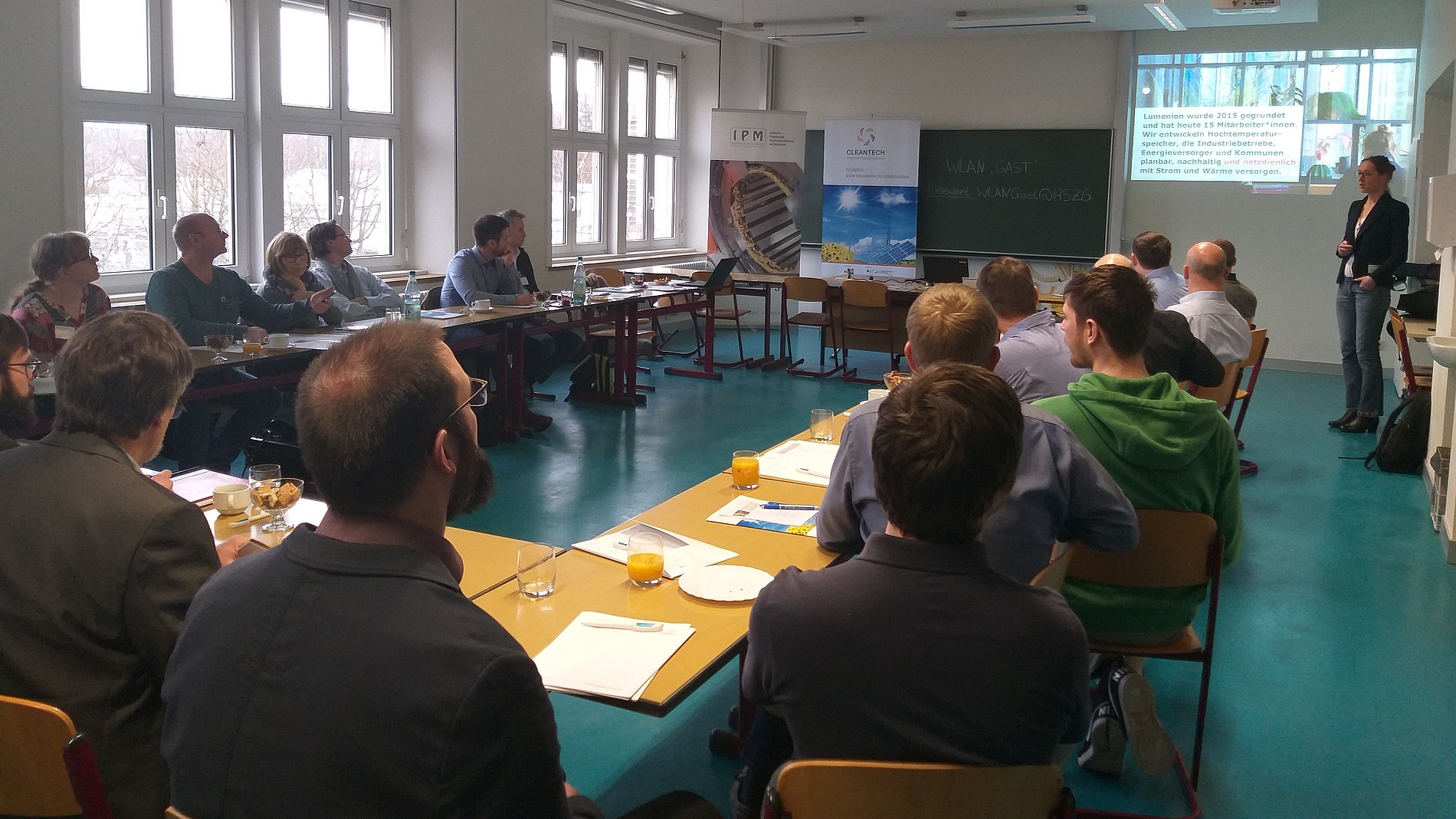
On February 4, a joint working group meeting of the CLEANTECH Initiative East Germany (CIO) and the Institute for Process Engineering, Process Automation, and Measurement Technology (IPM) at HSZG took place in Building Z II at HSZG.
The CIO connects business, academia, and research, as well as trade associations and institutions in the cleantech sector, across industries and state borders in an active network. The goal is to enable further economic growth for stakeholders in the new federal states and to increase their export strength.
Approximately 25 participants from research and industry traveled from across Germany to discuss energy storage solutions of the future and learn about current research in this field. Among other topics, the discussion focused on the extent to which waste heat can be stored and utilized at a later time, which types of energy storage are currently technically feasible, and how cost-effective these processes are.
After Tony Schütze from the CIO welcomed the participants, the following speakers presented their expertise:
- Torsten Klette (HSZG): Integration of thermal energy storage systems using the THERESA large-scale test facility as an example
- Dr. Michael Nimtz (Helmholtz Zentrum Dresden Rossendorf): Liquid-metal batteries for successful sector coupling
- Enrico Titze (HSZG): Phase-change storage materials in research
- Dr. Constanze Adolf (Lumenium GmbH Berlin): Steel as a potential energy storage medium of the future
- Sebastian Braun (HSZG): Development of a hybrid measurement method for wet steam
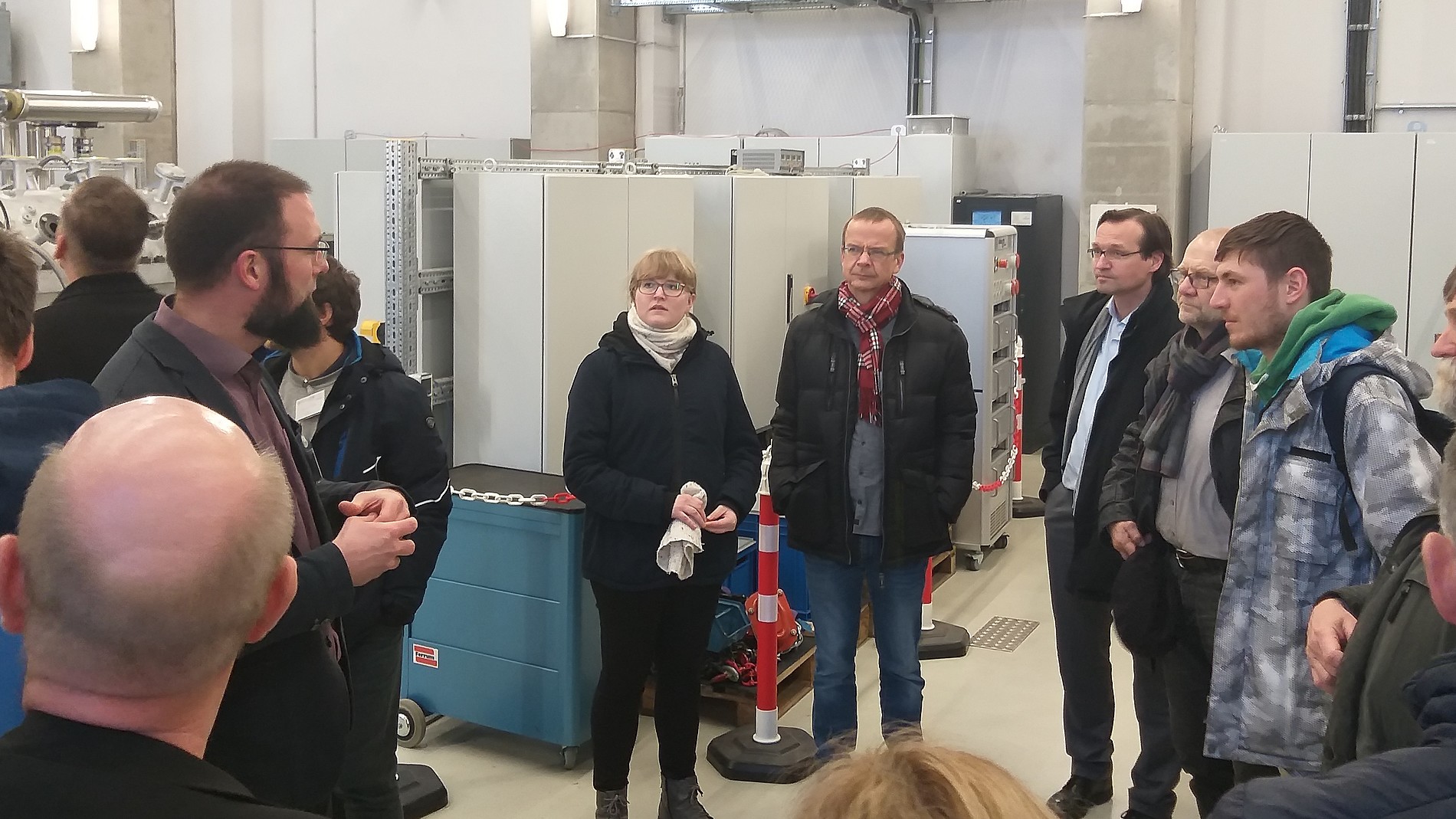
During the hands-on portion of the event, scientists from the IPM guided participants through the test facilities at the Zittau Power Plant Laboratory (ZKWL) and demonstrated actual storage concepts in use to the interested audience. In particular, the research results in the field of phase-change storage and materials, as well as the “thermal battery” concept of the THERESA test facility, generated significant interest.
The further development of future energy storage systems is an important step toward conserving resources and improving the climate and the environment.
We would like to thank all the speakers and participants at the event.